
From 9 to 12 November 2026, Yevhen Tsymbalenko, a Board Member of European Youth4Media Network e.V. (Y4M), represented the organisation at the international KA2NOW conference in Tallinn, Estonia. The event brought together representatives of youth organisations, European project coordinators, Erasmus+ National Agencies, researchers and experts from various European countries to discuss the results, impact and future of international cooperation in the field of youth work.
The conference took place at the National Library of Estonia and provided an important platform for exchanging practical experience in implementing Erasmus+ Key Action 2 (KA2) projects, presenting innovative educational approaches, discussing the sustainability of project results and developing new international partnerships.

For Youth4Media, participation in KA2NOW was an opportunity not only to showcase its activities and the results of international initiatives, but also to contribute to a broader European discussion on how Erasmus+ projects can bring about lasting positive change for young people, youth organisations and society as a whole.
KA2NOW: From Individual Project Results to Long-Term Impact
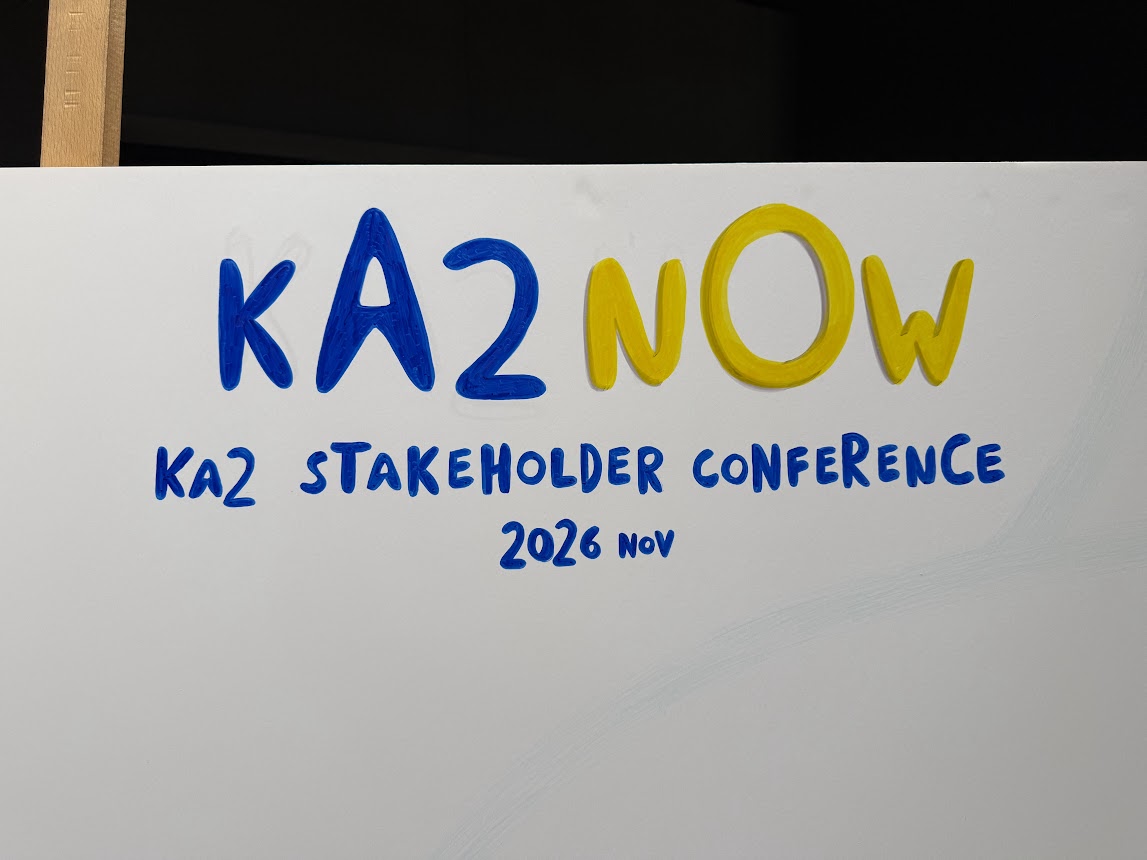
The central theme of the conference was the role of KA2 projects in the development of European youth work. Participants discussed not only the achievements of international cooperation, but also the practical use, dissemination and preservation of project results after grant funding has ended.
Particular attention was paid to the concept of impact — the tangible effects of projects on young people, youth workers, organisations and local communities. Discussions covered the assessment of change, the integration of developed methodologies into organisations’ everyday work, the development of sustainable international partnerships, and the use of project results beyond the immediate project consortia.
Participants also explored the future of Erasmus+ after the current 2021–2027 programme period and considered approaches that could improve the effectiveness of European cooperation programmes in the years ahead.
Yevhen Tsymbalenko took part in thematic discussions and exchanges with representatives of other organisations, focusing on digital and media literacy, countering disinformation, young people’s safety in digital environments and the development of practical educational tools.
Showcasing Youth4Media Projects at the KA2 Marketplace
One of the key elements of Youth4Media’s participation was the presentation of its international projects at the KA2 Marketplace, held on 10 November.
This interactive format enabled participants to present their project results, demonstrate learning materials and methodologies, engage with potential users of the tools developed and establish contacts for future cooperation.
 Yevhen Tsymbalenko introduced the work of European Youth4Media Network e.V., an international network specialising in youth media education, the development of digital competences, civic participation and international cooperation.
The presentation focused on three Erasmus+ projects illustrating different approaches taken by Youth4Media to address current challenges in youth work.
HATE-LESS: Countering Hate Speech and Disinformation
HATE-LESS aims to strengthen media literacy, critical thinking and young people’s ability to identify and counter hate speech, disinformation and discriminatory narratives.

A distinctive feature of HATE-LESS is its combination of media education and participatory methods, which enable young people not only to analyse problematic media content but also to actively contribute to the creation of alternative messages and positive counter-narratives.
At the Marketplace, the project’s methodological approaches were presented, including the Methodological Guidelines for Participatory Actions — practical recommendations for youth workers on organising educational and creative activities.
Particular attention was given to the use of participatory video as a tool for youth engagement. The videos and methodologies developed within HATE-LESS demonstrate how young people can be involved in critically reflecting on social challenges, overcoming stereotypes and fostering a culture of mutual respect.
The presentation of these resources also provided an opportunity to discuss their potential use by other youth organisations, educational institutions and trainers.
YOUth HUB: Digital Safety, Inclusion and Support for Young People
The second project presented was YOUth HUB — Youth Empowerment Hub: Digital, Inclusive & Engaged.

This initiative focuses on strengthening the digital literacy and emotional resilience of youth workers and youth organisations so that they can better support young people in dealing with risks in digital environments.
The project places particular emphasis on the needs of vulnerable young people, including those who have experienced forced displacement or migration.
During the conference, Yevhen Tsymbalenko presented the project’s concept, objectives, planned educational tools and approaches to developing the competences of youth workers.
In the context of the discussions on inclusion and the long-term impact of Erasmus+, YOUth HUB provided an example of how international cooperation can help create safer digital environments and strengthen the capacity of youth organisations to work with diverse target groups.
Trust in Truth: Practical Media Literacy Tools
The third project promoted during the conference was Trust in Truth: Digital Literacy in a Post-pandemic Time.
Unlike the two initiatives described above, Trust in Truth has already been completed. Its results therefore provided a practical example of developing and using educational resources within Erasmus+.

The project focused on digital and media literacy, critical thinking and responsible citizenship in the digital environment.
Its outputs include a curriculum, interactive digital exercises and a web application that youth workers, trainers and educators can use to deliver media literacy activities.
Presenting Trust in Truth was especially relevant to the overall theme of KA2NOW, as it demonstrated the importance of keeping educational materials accessible and ensuring that they can continue to be used after a project has formally ended.
Disseminating Results and Exchanging Professional Experience
Youth4Media’s participation in the conference extended beyond the project presentations at the Marketplace.
Information and promotional materials were specially prepared for the event, including YOUth HUB leaflets and newsletters, HATE-LESS materials, information about the network’s activities and QR codes providing quick access to project websites and learning resources.
These materials were shared during the Marketplace on 10 November and throughout the following day in the conference’s informal networking areas.

This allowed representatives of other organisations to discover Youth4Media’s activities and learn about existing or planned educational tools even outside the main presentation session.
Direct conversations with colleagues experienced in coordinating and implementing European projects formed another important part of the conference.
The exchanges addressed practical aspects of international cooperation, adapting project results to the needs of different target groups, the effectiveness of dissemination activities, approaches to impact assessment and opportunities for other organisations to use the developed resources.
Of particular interest were examples of how educational products created with Erasmus+ funding can be integrated into the regular activities of youth organisations, remain accessible after project completion and be used in new national and international initiatives.
New International Contacts and Partnership Prospects
One of the important practical outcomes of KA2NOW was the expansion of European Youth4Media Network e.V.’s professional contacts.
During the conference, Yevhen Tsymbalenko held conversations and explored opportunities for further cooperation with representatives of several European organisations, including:
- FEIO (Poland) — opportunities for future cooperation and participation in joint events were discussed.
- Lifezone Group (Estonia) — professional contacts were established and potential areas of cooperation identified.
- Gemeinsam in Europa (Germany) — the organisations exchanged information about their work and possible shared interests.
- Comparative Research Network e.V. (Germany) — prospects for further collaboration and participation in future initiatives were explored.
These contacts resulted in preliminary understandings to maintain professional dialogue and explore opportunities for joint activities.
Concrete follow-up opportunities included invitations to events in December 2026 received from FEIO and Comparative Research Network e.V.
These outcomes demonstrate the value of international conferences not only as a way to showcase completed projects, but also as a space for building new partnerships and developing future joint initiatives.
Key Takeaways: Sustainability Begins at the Planning Stage
One of the conference’s most important takeaways was the recognition that the long-term impact of a project cannot be secured solely through dissemination activities at the end of implementation.
Sustainability, practical use of results and impact must be considered from the very beginning, when the project proposal is being developed.
This means clearly identifying future users of the results, engaging relevant organisations in the development of learning products, planning how outputs can be integrated into everyday practice and establishing mechanisms to support them after the funding period.
Equally important is moving beyond simply counting training sessions, materials produced or participants reached towards assessing the actual changes achieved through project activities.

For Youth4Media, these issues are particularly significant given the ongoing implementation of HATE-LESS and YOUth HUB and the experience gained from the completed Trust in Truth project.
The insights and practical examples gathered during the conference can inform improvements in the planning, monitoring, dissemination and long-term use of results from the organisation’s current and future initiatives.
KA2NOW as an Investment in Youth4Media’s Development
Participation in KA2NOW gave European Youth4Media Network e.V. an important opportunity to strengthen its presence in the European professional community and present its international experience in media education, digital safety, countering disinformation and social inclusion.
The combination of project presentations, thematic discussions, exchanges of practical experience and the search for new partners helped achieve several goals: raising the visibility of current projects, promoting educational materials already developed, gaining new ideas for improving project work and broadening the prospects for international cooperation.
In Yevhen Tsymbalenko’s assessment, the conference’s greatest value lay in the opportunity to exchange experience directly with professionals implementing similar initiatives across Europe. Presenting Youth4Media’s own results, learning from other organisations’ practices and identifying common interests created an encouraging environment for further work.

The conference also reaffirmed the relevance of Youth4Media’s priorities. Critical thinking, digital literacy, inclusive youth work and active civic participation remain important areas of international cooperation in Europe.
Youth4Media will continue to develop international partnerships and promote the use of its project results beyond the immediate consortia, so that the educational tools created can benefit youth workers and young people in different European countries.
The KA2NOW conference took place in Tallinn, Estonia, from 9 to 12 November 2026 as part of European cooperation under the Erasmus+ Programme. The event was organised with the involvement of the Estonian Erasmus+ National Agency and National Agencies from other Programme countries.
Find out more about the featured projects:
- HATE-LESS — https://hate-less.eu/
- YOUth HUB — https://youthhubproject.eu/
- Trust in Truth — https://trustintruth.eu/